
Saddleries in Tagalog
Do you know Saddleries in Tagalog? How to use Saddleries in Tagalog and how to say Saddleries in Tagalog? How to write Saddleries in Tagalog? Now let's learn how to say Saddleries in Tagalog language.
Saddleries translate to Tagalog meanings: paggawa ng mga siya.
In other words, paggawa ng mga siya in Tagalog is Saddleries in English.Click to pronunce
| English | Tagalog |

|
|
| Saddleries | paggawa ng mga siya |
How to use Saddleries in Tagalog?
Meaning of Saddleries in Tagalog language is: paggawa ng mga siya.
Other words in Tagalog
Spirits, Slimes, Standatease, Stillest, Stabbing,
Read more Synonyms and Antonyms of Saddleries
Why we should learn Tagalog language?
There are many, many reasons why learning a new language is a good idea. It allows you to communicate with new people. It helps you to see things from a different perspective, or get a deeper understanding of another culture. It helps you to become a better listener. It even has health benefits, as studies have shown that people who speak two or more languages have more active minds later in life!
7 reasons to learn a Tagalog language
- Makes you smarter.
- Boosts academic achievement.
- Provides professional and career advantages.
- Provides broader access to education and information.
- Gives you more social and global skills.
- Increases national security.
- Life is more interesting.
How to say Saddleries in Tagalog?
paggawa ng mga siya. This is your most common way to say Saddleries in paggawa ng mga siya language. Click audio icon to pronounce Saddleries in Tagalog::
| English | Tagalog |
|
|
|
| Saddleries | paggawa ng mga siya |
How to write Saddleries in Tagalog?
The standard way to write "Saddleries" in Tagalog is: paggawa ng mga siya
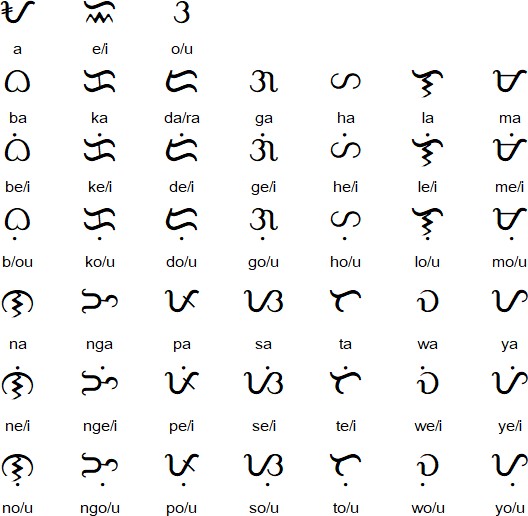
Alphabet in Tagalog
About Tagalog language
See more about Tagalog language in here.
Tagalog (/təˈɡɑːlɒɡ/, tə-GAH-log; Tagalog pronunciation: [tɐˈɡaːloɡ]) is an Austronesian language spoken as a first language by the ethnic Tagalog people, who make up a quarter of the population of the Philippines, and as a second language by the majority. Its standardized form, officially named Filipino, is the national language of the Philippines, and is one of two official languages alongside English.
Tagalog is closely related to other Philippine languages, such as the Bikol languages, Ilocano, the Visayan languages, Kapampangan, and Pangasinan, and more distantly to other Austronesian languages, such as the Formosan languages of Taiwan, Malay (Malaysian and Indonesian), Hawaiian, Māori, and Malagasy..
Writing system in Tagalog
Latin (Tagalog/Filipino alphabet), Philippine Braille Baybayin (historical)
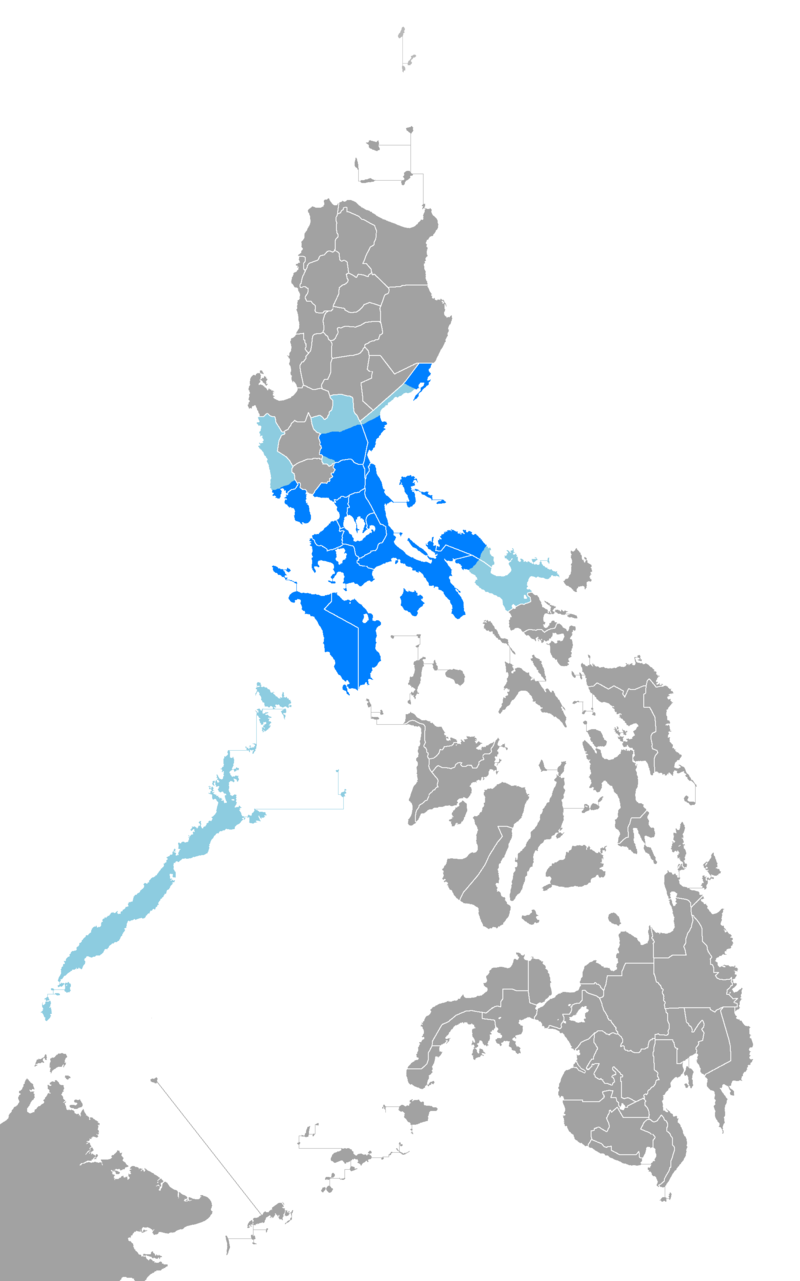
Tagalog Speaking Countries and Territories
Tagalog Speaking Countries and Territories: Philippines.
Tagalog native speakers
Tagalog native speakers: 22.5 million (2010), 23.8 million total speakers (2019), 45 million L2 speakers (as Filipino, 2013).
Tagalog language code
Tagalog language code is: tl.
Conclusion on Saddleries in Tagalog
Now that you have learned and understood the common ways of saying Saddleries in Tagalog is "paggawa ng mga siya", it's time to learn how to say Saddleries in Tagalog. This will hopefully give you a little motivation to study Tagalog today.
paggawa ng mga siya in Tagalog meanings Saddleries in English.