
Influenzas in Portuguese
Do you know Influenzas in Portuguese? How to use Influenzas in Portuguese and how to say Influenzas in Portuguese? How to write Influenzas in Portuguese? Now let's learn how to say Influenzas in Portuguese language.
Influenzas translate to Portuguese meanings: gripes.
In other words, gripes in Portuguese is Influenzas in English.Click to pronunce
| English | Portuguese |

|
|
| Influenzas | gripes |
How to use Influenzas in Portuguese?
Meaning of Influenzas in Portuguese language is: gripes.
Other words in Portuguese
Interlinked, Ichthyophagous, Impasses, Isomerize, Inrush,
Read more Synonyms and Antonyms of Influenzas
Why we should learn Portuguese language?
There are many, many reasons why learning a new language is a good idea. It allows you to communicate with new people. It helps you to see things from a different perspective, or get a deeper understanding of another culture. It helps you to become a better listener. It even has health benefits, as studies have shown that people who speak two or more languages have more active minds later in life!
7 reasons to learn a Portuguese language
- Makes you smarter.
- Boosts academic achievement.
- Provides professional and career advantages.
- Provides broader access to education and information.
- Gives you more social and global skills.
- Increases national security.
- Life is more interesting.
How to say Influenzas in Portuguese?
gripes. This is your most common way to say Influenzas in gripes language. Click audio icon to pronounce Influenzas in Portuguese::
| English | Portuguese |
|
|
|
| Influenzas | gripes |
How to write Influenzas in Portuguese?
The standard way to write "Influenzas" in Portuguese is: gripes
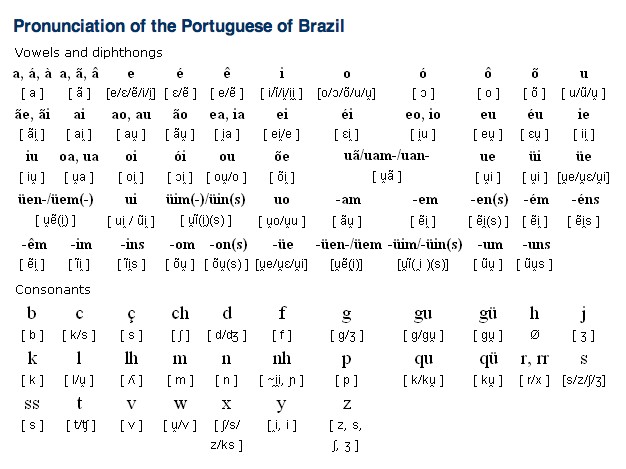
Alphabet in Portuguese
About Portuguese language
See more about Portuguese language in here.
Portuguese (português or, in full, língua portuguesa) is a Romance language originating in the Iberian Peninsula of Europe. It is the sole official language of Portugal, Angola, Mozambique, Guinea-Bissau, Cape Verde, São Tomé and Príncipe, and Brazil, while having co-official language status in East Timor, Equatorial Guinea, and Macau. A Portuguese-speaking person or nation is referred to as "Lusophone" (lusófono). As the result of expansion during colonial times, a cultural presence of Portuguese and Portuguese creole speakers are also found around the world. Portuguese is part of the Ibero-Romance group that evolved from several dialects of Vulgar Latin in the medieval Kingdom of Galicia and the County of Portugal, and has kept some Celtic phonology and its lexicon..
Writing system in Portuguese
Latin (Portuguese alphabet), Portuguese Braille
Portuguese Speaking Countries and Territories
Portuguese Speaking Countries and Territories: Portugal, Angola, Mozambique, Guinea-Bissau, Cape Verde, São Tomé and Príncipe, and Brazil.

Portuguese native speakers
Portuguese native speakers: 250 million; 24 million L2 speakers; Total: 274 million.
Portuguese language code
Portuguese language code is: pt.
Conclusion on Influenzas in Portuguese
Now that you have learned and understood the common ways of saying Influenzas in Portuguese is "gripes", it's time to learn how to say Influenzas in Portuguese. This will hopefully give you a little motivation to study Portuguese today.
gripes in Portuguese meanings Influenzas in English.