
wheel in Korean
Do you know wheel in Korean? How to use wheel in Korean and how to say wheel in Korean? How to write wheel in Korean? Now let's learn how to say wheel in Korean language.
wheel translate to Korean meanings: wheel [v.i.]
(눈이) 빙글빙글 돌다
wheel [n.]
(차기어 등의) 바퀴, 차륜; 바퀴 모양의 것[디자인]; 바퀴 모양의 장치[기구], 수레; <美口> 자전차; <∼s> <俗> 자동차
wheel [n.]
<∼s> (사물을 움직이는) 기구, 원동력, 추진력
wheel [v.t.]
…을 돌리다, 회전시키다, <군대 등을> 선회시키다; …에 원[곡선] 운동을 시키다
wheel [v.t.]
<美> <전력을> 반송[송전]하다
wheel [v.i.]
(의견주장방법 등을) 바꾸다
wheel [v.i.]
(축을 중심으로) 회전하다; 원을 그리다, 선회하다; 방향을 바꾸다, 빙 돌다; 『英軍』 방향을 바꾸다, 선회하다
wheel [n.]
wheel [n.]
회전, 선회; (군대함대 등의) 선회 운동; 회전 불꽃
wheel [v.t.]
…에 바퀴를 달다
wheel [v.i.]
<英口> (자전거 등을) 타고 다니다
wheel [n.]
<美俗> 실력자, 거물
wheel [n.]
(운명역사시간 등의) 수레바퀴, 순환(circle)
wheel [n.]
『海』 외륜(구식 배의 선체 밖에 단 추진용 수레바퀴); (배의) 스크루
wheel [n.]
형차(刑車)(죄수를 묶고 능지 처참하는 옛날의 고문 기구)
.In other words,
wheel [v.i.]
(눈이) 빙글빙글 돌다
wheel [n.]
(차기어 등의) 바퀴, 차륜; 바퀴 모양의 것[디자인]; 바퀴 모양의 장치[기구], 수레; <美口> 자전차; <∼s> <俗> 자동차
wheel [n.]
<∼s> (사물을 움직이는) 기구, 원동력, 추진력
wheel [v.t.]
…을 돌리다, 회전시키다, <군대 등을> 선회시키다; …에 원[곡선] 운동을 시키다
wheel [v.t.]
<美> <전력을> 반송[송전]하다
wheel [v.i.]
(의견주장방법 등을) 바꾸다
wheel [v.i.]
(축을 중심으로) 회전하다; 원을 그리다, 선회하다; 방향을 바꾸다, 빙 돌다; 『英軍』 방향을 바꾸다, 선회하다
wheel [n.]
wheel [n.]
회전, 선회; (군대함대 등의) 선회 운동; 회전 불꽃
wheel [v.t.]
…에 바퀴를 달다
wheel [v.i.]
<英口> (자전거 등을) 타고 다니다
wheel [n.]
<美俗> 실력자, 거물
wheel [n.]
(운명역사시간 등의) 수레바퀴, 순환(circle)
wheel [n.]
『海』 외륜(구식 배의 선체 밖에 단 추진용 수레바퀴); (배의) 스크루
wheel [n.]
형차(刑車)(죄수를 묶고 능지 처참하는 옛날의 고문 기구)
in Korean is wheel in English.Click to pronunce| English | Korean |

|
|
| wheel | wheel |
How to use wheel in Korean?
Meaning of wheel in Korean language is: wheel [v.i.]
(눈이) 빙글빙글 돌다
wheel [n.]
(차기어 등의) 바퀴, 차륜; 바퀴 모양의 것[디자인]; 바퀴 모양의 장치[기구], 수레; <美口> 자전차; <∼s> <俗> 자동차
wheel [n.]
<∼s> (사물을 움직이는) 기구, 원동력, 추진력
wheel [v.t.]
…을 돌리다, 회전시키다, <군대 등을> 선회시키다; …에 원[곡선] 운동을 시키다
wheel [v.t.]
<美> <전력을> 반송[송전]하다
wheel [v.i.]
(의견주장방법 등을) 바꾸다
wheel [v.i.]
(축을 중심으로) 회전하다; 원을 그리다, 선회하다; 방향을 바꾸다, 빙 돌다; 『英軍』 방향을 바꾸다, 선회하다
wheel [n.]
wheel [n.]
회전, 선회; (군대함대 등의) 선회 운동; 회전 불꽃
wheel [v.t.]
…에 바퀴를 달다
wheel [v.i.]
<英口> (자전거 등을) 타고 다니다
wheel [n.]
<美俗> 실력자, 거물
wheel [n.]
(운명역사시간 등의) 수레바퀴, 순환(circle)
wheel [n.]
『海』 외륜(구식 배의 선체 밖에 단 추진용 수레바퀴); (배의) 스크루
wheel [n.]
형차(刑車)(죄수를 묶고 능지 처참하는 옛날의 고문 기구)
.Other words in Korean
fifthwheel [n.]
여분의[쓸데없는] 사람[것]
fifthwheel [n.]
(마차의) 전향륜(轉向輪); (4륜마차의) 예비 바퀴
.freewheeling [adj.]
타성으로 달리는
freewheeling [adj.]
마음 편하게[자유 분방하게] 행동하는; 제멋대로의, 분방한
.treadwheel [n.]
(물을 길어올리는 데 쓰는) 족답(足踏) 바퀴
.wheeler [n.]
<보통 복합어> 바퀴 달린 것[차, 배]
wheeler [n.]
수레로 나르는 사람, 짐차 끄는 사람
.wheel [v.i.]
(눈이) 빙글빙글 돌다
wheel [n.]
(차기어 등의) 바퀴, 차륜; 바퀴 모양의 것[디자인]; 바퀴 모양의 장치[기구], 수레; <美口> 자전차; <∼s> <俗> 자동차
wheel [n.]
<∼s> (사물을 움직이는) 기구, 원동력, 추진력
wheel [v.t.]
…을 돌리다, 회전시키다, <군대 등을> 선회시키다; …에 원[곡선] 운동을 시키다
wheel [v.t.]
<美> <전력을> 반송[송전]하다
wheel [v.i.]
(의견주장방법 등을) 바꾸다
wheel [v.i.]
(축을 중심으로) 회전하다; 원을 그리다, 선회하다; 방향을 바꾸다, 빙 돌다; 『英軍』 방향을 바꾸다, 선회하다
wheel [n.]
wheel [n.]
회전, 선회; (군대함대 등의) 선회 운동; 회전 불꽃
wheel [v.t.]
…에 바퀴를 달다
wheel [v.i.]
<英口> (자전거 등을) 타고 다니다
wheel [n.]
<美俗> 실력자, 거물
wheel [n.]
(운명역사시간 등의) 수레바퀴, 순환(circle)
wheel [n.]
『海』 외륜(구식 배의 선체 밖에 단 추진용 수레바퀴); (배의) 스크루
wheel [n.]
형차(刑車)(죄수를 묶고 능지 처참하는 옛날의 고문 기구)
.crownwheel [n.]
『시계』 크라운 휠; 관 모양의 기어
.flywheel [n.]
『機』 플라이휠
.balancewheel [n.]
(사물을) 안정[균형]시키는 힘
balancewheel [n.]
『시계』 =balance n. 11
.sidewheeler [n.]
<美> 외륜선(外輪船)
.catherinewheel [n.]
옆으로 재주넘기
catherinewheel [n.]
바퀴 모양의 창문(wheel window)
catherinewheel [n.]
회전 불꽃
catherinewheel [n.]
쇠못이 꽂힌 바퀴(고문 도구); 『紋』 그 모양의 문장(紋章)
.wisent, weighhouse, whitemetal, ward, wirewove,
Read more Synonyms and Antonyms of wheel
Why we should learn Korean language?
There are many, many reasons why learning a new language is a good idea. It allows you to communicate with new people. It helps you to see things from a different perspective, or get a deeper understanding of another culture. It helps you to become a better listener. It even has health benefits, as studies have shown that people who speak two or more languages have more active minds later in life!
7 reasons to learn a Korean language
- Makes you smarter.
- Boosts academic achievement.
- Provides professional and career advantages.
- Provides broader access to education and information.
- Gives you more social and global skills.
- Increases national security.
- Life is more interesting.
How to say wheel in Korean?
wheel [v.i.]
(눈이) 빙글빙글 돌다
wheel [n.]
(차기어 등의) 바퀴, 차륜; 바퀴 모양의 것[디자인]; 바퀴 모양의 장치[기구], 수레; <美口> 자전차; <∼s> <俗> 자동차
wheel [n.]
<∼s> (사물을 움직이는) 기구, 원동력, 추진력
wheel [v.t.]
…을 돌리다, 회전시키다, <군대 등을> 선회시키다; …에 원[곡선] 운동을 시키다
wheel [v.t.]
<美> <전력을> 반송[송전]하다
wheel [v.i.]
(의견주장방법 등을) 바꾸다
wheel [v.i.]
(축을 중심으로) 회전하다; 원을 그리다, 선회하다; 방향을 바꾸다, 빙 돌다; 『英軍』 방향을 바꾸다, 선회하다
wheel [n.]
wheel [n.]
회전, 선회; (군대함대 등의) 선회 운동; 회전 불꽃
wheel [v.t.]
…에 바퀴를 달다
wheel [v.i.]
<英口> (자전거 등을) 타고 다니다
wheel [n.]
<美俗> 실력자, 거물
wheel [n.]
(운명역사시간 등의) 수레바퀴, 순환(circle)
wheel [n.]
『海』 외륜(구식 배의 선체 밖에 단 추진용 수레바퀴); (배의) 스크루
wheel [n.]
형차(刑車)(죄수를 묶고 능지 처참하는 옛날의 고문 기구)
. This is your most common way to say wheel inwheel [v.i.]
(눈이) 빙글빙글 돌다
wheel [n.]
(차기어 등의) 바퀴, 차륜; 바퀴 모양의 것[디자인]; 바퀴 모양의 장치[기구], 수레; <美口> 자전차; <∼s> <俗> 자동차
wheel [n.]
<∼s> (사물을 움직이는) 기구, 원동력, 추진력
wheel [v.t.]
…을 돌리다, 회전시키다, <군대 등을> 선회시키다; …에 원[곡선] 운동을 시키다
wheel [v.t.]
<美> <전력을> 반송[송전]하다
wheel [v.i.]
(의견주장방법 등을) 바꾸다
wheel [v.i.]
(축을 중심으로) 회전하다; 원을 그리다, 선회하다; 방향을 바꾸다, 빙 돌다; 『英軍』 방향을 바꾸다, 선회하다
wheel [n.]
wheel [n.]
회전, 선회; (군대함대 등의) 선회 운동; 회전 불꽃
wheel [v.t.]
…에 바퀴를 달다
wheel [v.i.]
<英口> (자전거 등을) 타고 다니다
wheel [n.]
<美俗> 실력자, 거물
wheel [n.]
(운명역사시간 등의) 수레바퀴, 순환(circle)
wheel [n.]
『海』 외륜(구식 배의 선체 밖에 단 추진용 수레바퀴); (배의) 스크루
wheel [n.]
형차(刑車)(죄수를 묶고 능지 처참하는 옛날의 고문 기구)
language. Click audio icon to pronounce wheel in Korean::| English | Korean |
|
|
|
| wheel | wheel [v.i.](눈이) 빙글빙글 돌다 wheel [n.](차기어 등의) 바퀴, 차륜; 바퀴 모양의 것[디자인]; 바퀴 모양의 장치[기구], 수레; <美口> 자전차; <∼s> <俗> 자동차 wheel [n.]<∼s> (사물을 움직이는) 기구, 원동력, 추진력 wheel [v.t.]…을 돌리다, 회전시키다, <군대 등을> 선회시키다; …에 원[곡선] 운동을 시키다 wheel [v.t.]<美> <전력을> 반송[송전]하다 wheel [v.i.](의견주장방법 등을) 바꾸다 wheel [v.i.](축을 중심으로) 회전하다; 원을 그리다, 선회하다; 방향을 바꾸다, 빙 돌다; 『英軍』 방향을 바꾸다, 선회하다 wheel [n.]wheel [n.]회전, 선회; (군대함대 등의) 선회 운동; 회전 불꽃 wheel [v.t.]…에 바퀴를 달다 wheel [v.i.]<英口> (자전거 등을) 타고 다니다 wheel [n.]<美俗> 실력자, 거물 wheel [n.](운명역사시간 등의) 수레바퀴, 순환(circle) wheel [n.]『海』 외륜(구식 배의 선체 밖에 단 추진용 수레바퀴); (배의) 스크루 wheel [n.]형차(刑車)(죄수를 묶고 능지 처참하는 옛날의 고문 기구) |
How to write wheel in Korean?
The standard way to write "wheel" in Korean is: wheel [v.i.]
(눈이) 빙글빙글 돌다
wheel [n.]
(차기어 등의) 바퀴, 차륜; 바퀴 모양의 것[디자인]; 바퀴 모양의 장치[기구], 수레; <美口> 자전차; <∼s> <俗> 자동차
wheel [n.]
<∼s> (사물을 움직이는) 기구, 원동력, 추진력
wheel [v.t.]
…을 돌리다, 회전시키다, <군대 등을> 선회시키다; …에 원[곡선] 운동을 시키다
wheel [v.t.]
<美> <전력을> 반송[송전]하다
wheel [v.i.]
(의견주장방법 등을) 바꾸다
wheel [v.i.]
(축을 중심으로) 회전하다; 원을 그리다, 선회하다; 방향을 바꾸다, 빙 돌다; 『英軍』 방향을 바꾸다, 선회하다
wheel [n.]
wheel [n.]
회전, 선회; (군대함대 등의) 선회 운동; 회전 불꽃
wheel [v.t.]
…에 바퀴를 달다
wheel [v.i.]
<英口> (자전거 등을) 타고 다니다
wheel [n.]
<美俗> 실력자, 거물
wheel [n.]
(운명역사시간 등의) 수레바퀴, 순환(circle)
wheel [n.]
『海』 외륜(구식 배의 선체 밖에 단 추진용 수레바퀴); (배의) 스크루
wheel [n.]
형차(刑車)(죄수를 묶고 능지 처참하는 옛날의 고문 기구)
Alphabet in Korean

About Korean language
See more about Korean language in here.
Korean (South Korean: 한국어, hangugeo; North Korean: 조선말, chosŏnmal) is the native language for about 80 million people, mostly of Korean descent.[a] It is the official and national language of both North Korea and South Korea (geographically Korea). The two countries have established standardized norms for Korean, and the differences between them are similar to those between Standard Chinese in mainland China and Taiwan, but political conflicts between the two countries have highlighted the differences between them. North Korea criminalizes the use of the South's standard language, and South Korean education and media often portray the North's language as alien and uncomfortable.
Beyond Korea, the language is recognised as a minority language in parts of China, namely Jilin Province, and specifically Yanbian Prefecture, and Changbai County. It is also spoken by Sakhalin Koreans in parts of Sakhalin, the Russian island just north of Japan, and by the Koryo-saram in parts of Central Asia. The language has a few extinct relatives which—along with the Jeju language (Jejuan) of Jeju Island and Korean itself—form the compact Koreanic language family. Even so, Jejuan and Korean are not mutually intelligible with each other. The linguistic homeland of Korean is suggested to be somewhere in contemporary Manchuria. The hierarchy of the society from which the language originates deeply influences the language, leading to a system of speech levels and honorifics indicative of the formality of any given situation.
Modern Korean is written in the Korean script (한글; Hangul in South Korea, 조선글; Chosŏn'gŭl in North Korea), a system developed during the 15th century for that purpose, although it did not become the primary script until the 20th century. The script uses 24 basic letters (jamo) and 27 complex letters formed from the basic ones. When first recorded in historical texts, Korean was only a spoken language; all written records were maintained in Classical Chinese, which, even when spoken, is not intelligible to someone who speaks only Korean. Later, Chinese characters adapted to the Korean language, Hanja (漢字), were used to write the language for most of Korea's history and are still used to a limited extent in South Korea, most prominently in the humanities and the study of historical texts.
Since the turn of the 21st century, aspects of Korean culture have spread to other countries through globalization and cultural exports. As such, interest in Korean language acquisition (as a foreign language) is also generated by longstanding alliances, military involvement, and diplomacy, such as between South Korea–United States and China–North Korea since the end of World War II and the Korean War. Along with other languages such as Chinese and Arabic, Korean is ranked at the top difficulty level for English speakers by the United States Department of Defense.
.Writing system in Korean
Hangul / Chosŏn'gŭl (Korean script), Hanja / Hancha (Historical)
Korean Speaking Countries and Territories
Korean Speaking Countries and Territories: Korean (South Korea, North Korea).
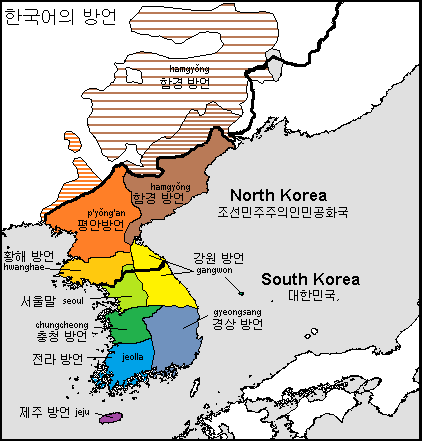
Korean native speakers
Korean native speakers: 80.4 million (2020).
Korean language code
Korean language code is: ko.
Conclusion on wheel in Korean
Now that you have learned and understood the common ways of saying wheel in Korean is "
wheel [v.i.]
(눈이) 빙글빙글 돌다
wheel [n.]
(차기어 등의) 바퀴, 차륜; 바퀴 모양의 것[디자인]; 바퀴 모양의 장치[기구], 수레; <美口> 자전차; <∼s> <俗> 자동차
wheel [n.]
<∼s> (사물을 움직이는) 기구, 원동력, 추진력
wheel [v.t.]
…을 돌리다, 회전시키다, <군대 등을> 선회시키다; …에 원[곡선] 운동을 시키다
wheel [v.t.]
<美> <전력을> 반송[송전]하다
wheel [v.i.]
(의견주장방법 등을) 바꾸다
wheel [v.i.]
(축을 중심으로) 회전하다; 원을 그리다, 선회하다; 방향을 바꾸다, 빙 돌다; 『英軍』 방향을 바꾸다, 선회하다
wheel [n.]
wheel [n.]
회전, 선회; (군대함대 등의) 선회 운동; 회전 불꽃
wheel [v.t.]
…에 바퀴를 달다
wheel [v.i.]
<英口> (자전거 등을) 타고 다니다
wheel [n.]
<美俗> 실력자, 거물
wheel [n.]
(운명역사시간 등의) 수레바퀴, 순환(circle)
wheel [n.]
『海』 외륜(구식 배의 선체 밖에 단 추진용 수레바퀴); (배의) 스크루
wheel [n.]
형차(刑車)(죄수를 묶고 능지 처참하는 옛날의 고문 기구)
", it's time to learn how to say wheel in Korean. This will hopefully give you a little motivation to study Korean today.(눈이) 빙글빙글 돌다 (차기어 등의) 바퀴, 차륜; 바퀴 모양의 것[디자인]; 바퀴 모양의 장치[기구], 수레; <美口> 자전차; <∼s> <俗> 자동차 <∼s> (사물을 움직이는) 기구, 원동력, 추진력 …을 돌리다, 회전시키다, <군대 등을> 선회시키다; …에 원[곡선] 운동을 시키다 <美> <전력을> 반송[송전]하다 (의견주장방법 등을) 바꾸다 (축을 중심으로) 회전하다; 원을 그리다, 선회하다; 방향을 바꾸다, 빙 돌다; 『英軍』 방향을 바꾸다, 선회하다 회전, 선회; (군대함대 등의) 선회 운동; 회전 불꽃 …에 바퀴를 달다 <英口> (자전거 등을) 타고 다니다 <美俗> 실력자, 거물 (운명역사시간 등의) 수레바퀴, 순환(circle) 『海』 외륜(구식 배의 선체 밖에 단 추진용 수레바퀴); (배의) 스크루 형차(刑車)(죄수를 묶고 능지 처참하는 옛날의 고문 기구)wheel [v.i.]
wheel [n.]
wheel [n.]
wheel [v.t.]
wheel [v.t.]
wheel [v.i.]
wheel [v.i.]
wheel [n.]
wheel [n.]
wheel [v.t.]
wheel [v.i.]
wheel [n.]
wheel [n.]
wheel [n.]
wheel [n.]