
wanton in Korean
Do you know wanton in Korean? How to use wanton in Korean and how to say wanton in Korean? How to write wanton in Korean? Now let's learn how to say wanton in Korean language.
wanton translate to Korean meanings: wanton [adj.]
악의에 의한(malicious); 부당한(unjustifiable); 터무니없는; 주제넘은, 제멋대로의(unrestrained); 정의[도덕]를 무시한
wanton [n.]
<文> (특히) 바람난 여자; 장난꾸러기(아이); 응석동이
wanton [adj.]
<특히 여성이> 바람기 있는, 부정(不貞)한, 호색적인, 외설스런(licentious), 음탕한(unchaste, lewd)
wanton [adj.]
<古> <아이동물의 새끼 등이> 장난치는(sportive), 뛰노는(frolicsome); <바람 등이> 변덕스러운(capricious)
wanton [adj.]
<古> <식물 등이> 무성한(luxuriant)
wanton [v.i.]
우거지다, 무성하다
wanton [v.t.]
(향락을 위해) 낭비[탕진]하다
wanton [adj.]
<사람복장 등이> 지나치게 화려한[사치스러운](excessively luxurious)
wanton [v.i.]
까불다, 장난치다
wanton [v.i.]
바람피우다; 제멋대로[무자비하게] 굴다
.In other words,
wanton [adj.]
악의에 의한(malicious); 부당한(unjustifiable); 터무니없는; 주제넘은, 제멋대로의(unrestrained); 정의[도덕]를 무시한
wanton [n.]
<文> (특히) 바람난 여자; 장난꾸러기(아이); 응석동이
wanton [adj.]
<특히 여성이> 바람기 있는, 부정(不貞)한, 호색적인, 외설스런(licentious), 음탕한(unchaste, lewd)
wanton [adj.]
<古> <아이동물의 새끼 등이> 장난치는(sportive), 뛰노는(frolicsome); <바람 등이> 변덕스러운(capricious)
wanton [adj.]
<古> <식물 등이> 무성한(luxuriant)
wanton [v.i.]
우거지다, 무성하다
wanton [v.t.]
(향락을 위해) 낭비[탕진]하다
wanton [adj.]
<사람복장 등이> 지나치게 화려한[사치스러운](excessively luxurious)
wanton [v.i.]
까불다, 장난치다
wanton [v.i.]
바람피우다; 제멋대로[무자비하게] 굴다
in Korean is wanton in English.Click to pronunce| English | Korean |

|
|
| wanton | wanton |
How to use wanton in Korean?
Meaning of wanton in Korean language is: wanton [adj.]
악의에 의한(malicious); 부당한(unjustifiable); 터무니없는; 주제넘은, 제멋대로의(unrestrained); 정의[도덕]를 무시한
wanton [n.]
<文> (특히) 바람난 여자; 장난꾸러기(아이); 응석동이
wanton [adj.]
<특히 여성이> 바람기 있는, 부정(不貞)한, 호색적인, 외설스런(licentious), 음탕한(unchaste, lewd)
wanton [adj.]
<古> <아이동물의 새끼 등이> 장난치는(sportive), 뛰노는(frolicsome); <바람 등이> 변덕스러운(capricious)
wanton [adj.]
<古> <식물 등이> 무성한(luxuriant)
wanton [v.i.]
우거지다, 무성하다
wanton [v.t.]
(향락을 위해) 낭비[탕진]하다
wanton [adj.]
<사람복장 등이> 지나치게 화려한[사치스러운](excessively luxurious)
wanton [v.i.]
까불다, 장난치다
wanton [v.i.]
바람피우다; 제멋대로[무자비하게] 굴다
.Other words in Korean
wanton [adj.]
악의에 의한(malicious); 부당한(unjustifiable); 터무니없는; 주제넘은, 제멋대로의(unrestrained); 정의[도덕]를 무시한
wanton [n.]
<文> (특히) 바람난 여자; 장난꾸러기(아이); 응석동이
wanton [adj.]
<특히 여성이> 바람기 있는, 부정(不貞)한, 호색적인, 외설스런(licentious), 음탕한(unchaste, lewd)
wanton [adj.]
<古> <아이동물의 새끼 등이> 장난치는(sportive), 뛰노는(frolicsome); <바람 등이> 변덕스러운(capricious)
wanton [adj.]
<古> <식물 등이> 무성한(luxuriant)
wanton [v.i.]
우거지다, 무성하다
wanton [v.t.]
(향락을 위해) 낭비[탕진]하다
wanton [adj.]
<사람복장 등이> 지나치게 화려한[사치스러운](excessively luxurious)
wanton [v.i.]
까불다, 장난치다
wanton [v.i.]
바람피우다; 제멋대로[무자비하게] 굴다
.willet, warblefly, worcestershire, whinny, worldbeater,
Read more Synonyms and Antonyms of wanton
Why we should learn Korean language?
There are many, many reasons why learning a new language is a good idea. It allows you to communicate with new people. It helps you to see things from a different perspective, or get a deeper understanding of another culture. It helps you to become a better listener. It even has health benefits, as studies have shown that people who speak two or more languages have more active minds later in life!
7 reasons to learn a Korean language
- Makes you smarter.
- Boosts academic achievement.
- Provides professional and career advantages.
- Provides broader access to education and information.
- Gives you more social and global skills.
- Increases national security.
- Life is more interesting.
How to say wanton in Korean?
wanton [adj.]
악의에 의한(malicious); 부당한(unjustifiable); 터무니없는; 주제넘은, 제멋대로의(unrestrained); 정의[도덕]를 무시한
wanton [n.]
<文> (특히) 바람난 여자; 장난꾸러기(아이); 응석동이
wanton [adj.]
<특히 여성이> 바람기 있는, 부정(不貞)한, 호색적인, 외설스런(licentious), 음탕한(unchaste, lewd)
wanton [adj.]
<古> <아이동물의 새끼 등이> 장난치는(sportive), 뛰노는(frolicsome); <바람 등이> 변덕스러운(capricious)
wanton [adj.]
<古> <식물 등이> 무성한(luxuriant)
wanton [v.i.]
우거지다, 무성하다
wanton [v.t.]
(향락을 위해) 낭비[탕진]하다
wanton [adj.]
<사람복장 등이> 지나치게 화려한[사치스러운](excessively luxurious)
wanton [v.i.]
까불다, 장난치다
wanton [v.i.]
바람피우다; 제멋대로[무자비하게] 굴다
. This is your most common way to say wanton inwanton [adj.]
악의에 의한(malicious); 부당한(unjustifiable); 터무니없는; 주제넘은, 제멋대로의(unrestrained); 정의[도덕]를 무시한
wanton [n.]
<文> (특히) 바람난 여자; 장난꾸러기(아이); 응석동이
wanton [adj.]
<특히 여성이> 바람기 있는, 부정(不貞)한, 호색적인, 외설스런(licentious), 음탕한(unchaste, lewd)
wanton [adj.]
<古> <아이동물의 새끼 등이> 장난치는(sportive), 뛰노는(frolicsome); <바람 등이> 변덕스러운(capricious)
wanton [adj.]
<古> <식물 등이> 무성한(luxuriant)
wanton [v.i.]
우거지다, 무성하다
wanton [v.t.]
(향락을 위해) 낭비[탕진]하다
wanton [adj.]
<사람복장 등이> 지나치게 화려한[사치스러운](excessively luxurious)
wanton [v.i.]
까불다, 장난치다
wanton [v.i.]
바람피우다; 제멋대로[무자비하게] 굴다
language. Click audio icon to pronounce wanton in Korean::| English | Korean |
|
|
|
| wanton | wanton [adj.]악의에 의한(malicious); 부당한(unjustifiable); 터무니없는; 주제넘은, 제멋대로의(unrestrained); 정의[도덕]를 무시한 wanton [n.]<文> (특히) 바람난 여자; 장난꾸러기(아이); 응석동이 wanton [adj.]<특히 여성이> 바람기 있는, 부정(不貞)한, 호색적인, 외설스런(licentious), 음탕한(unchaste, lewd) wanton [adj.]<古> <아이동물의 새끼 등이> 장난치는(sportive), 뛰노는(frolicsome); <바람 등이> 변덕스러운(capricious) wanton [adj.]<古> <식물 등이> 무성한(luxuriant) wanton [v.i.]우거지다, 무성하다 wanton [v.t.](향락을 위해) 낭비[탕진]하다 wanton [adj.]<사람복장 등이> 지나치게 화려한[사치스러운](excessively luxurious) wanton [v.i.]까불다, 장난치다 wanton [v.i.]바람피우다; 제멋대로[무자비하게] 굴다 |
How to write wanton in Korean?
The standard way to write "wanton" in Korean is: wanton [adj.]
악의에 의한(malicious); 부당한(unjustifiable); 터무니없는; 주제넘은, 제멋대로의(unrestrained); 정의[도덕]를 무시한
wanton [n.]
<文> (특히) 바람난 여자; 장난꾸러기(아이); 응석동이
wanton [adj.]
<특히 여성이> 바람기 있는, 부정(不貞)한, 호색적인, 외설스런(licentious), 음탕한(unchaste, lewd)
wanton [adj.]
<古> <아이동물의 새끼 등이> 장난치는(sportive), 뛰노는(frolicsome); <바람 등이> 변덕스러운(capricious)
wanton [adj.]
<古> <식물 등이> 무성한(luxuriant)
wanton [v.i.]
우거지다, 무성하다
wanton [v.t.]
(향락을 위해) 낭비[탕진]하다
wanton [adj.]
<사람복장 등이> 지나치게 화려한[사치스러운](excessively luxurious)
wanton [v.i.]
까불다, 장난치다
wanton [v.i.]
바람피우다; 제멋대로[무자비하게] 굴다
Alphabet in Korean

About Korean language
See more about Korean language in here.
Korean (South Korean: 한국어, hangugeo; North Korean: 조선말, chosŏnmal) is the native language for about 80 million people, mostly of Korean descent.[a] It is the official and national language of both North Korea and South Korea (geographically Korea). The two countries have established standardized norms for Korean, and the differences between them are similar to those between Standard Chinese in mainland China and Taiwan, but political conflicts between the two countries have highlighted the differences between them. North Korea criminalizes the use of the South's standard language, and South Korean education and media often portray the North's language as alien and uncomfortable.
Beyond Korea, the language is recognised as a minority language in parts of China, namely Jilin Province, and specifically Yanbian Prefecture, and Changbai County. It is also spoken by Sakhalin Koreans in parts of Sakhalin, the Russian island just north of Japan, and by the Koryo-saram in parts of Central Asia. The language has a few extinct relatives which—along with the Jeju language (Jejuan) of Jeju Island and Korean itself—form the compact Koreanic language family. Even so, Jejuan and Korean are not mutually intelligible with each other. The linguistic homeland of Korean is suggested to be somewhere in contemporary Manchuria. The hierarchy of the society from which the language originates deeply influences the language, leading to a system of speech levels and honorifics indicative of the formality of any given situation.
Modern Korean is written in the Korean script (한글; Hangul in South Korea, 조선글; Chosŏn'gŭl in North Korea), a system developed during the 15th century for that purpose, although it did not become the primary script until the 20th century. The script uses 24 basic letters (jamo) and 27 complex letters formed from the basic ones. When first recorded in historical texts, Korean was only a spoken language; all written records were maintained in Classical Chinese, which, even when spoken, is not intelligible to someone who speaks only Korean. Later, Chinese characters adapted to the Korean language, Hanja (漢字), were used to write the language for most of Korea's history and are still used to a limited extent in South Korea, most prominently in the humanities and the study of historical texts.
Since the turn of the 21st century, aspects of Korean culture have spread to other countries through globalization and cultural exports. As such, interest in Korean language acquisition (as a foreign language) is also generated by longstanding alliances, military involvement, and diplomacy, such as between South Korea–United States and China–North Korea since the end of World War II and the Korean War. Along with other languages such as Chinese and Arabic, Korean is ranked at the top difficulty level for English speakers by the United States Department of Defense.
.Writing system in Korean
Hangul / Chosŏn'gŭl (Korean script), Hanja / Hancha (Historical)
Korean Speaking Countries and Territories
Korean Speaking Countries and Territories: Korean (South Korea, North Korea).
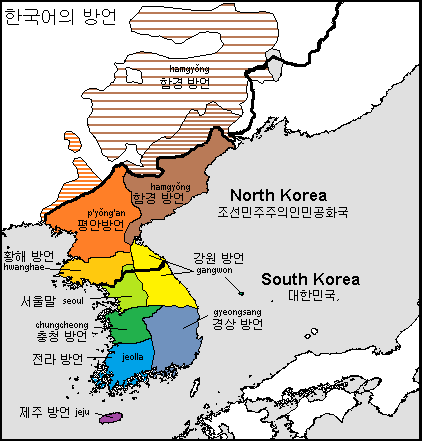
Korean native speakers
Korean native speakers: 80.4 million (2020).
Korean language code
Korean language code is: ko.
Conclusion on wanton in Korean
Now that you have learned and understood the common ways of saying wanton in Korean is "
wanton [adj.]
악의에 의한(malicious); 부당한(unjustifiable); 터무니없는; 주제넘은, 제멋대로의(unrestrained); 정의[도덕]를 무시한
wanton [n.]
<文> (특히) 바람난 여자; 장난꾸러기(아이); 응석동이
wanton [adj.]
<특히 여성이> 바람기 있는, 부정(不貞)한, 호색적인, 외설스런(licentious), 음탕한(unchaste, lewd)
wanton [adj.]
<古> <아이동물의 새끼 등이> 장난치는(sportive), 뛰노는(frolicsome); <바람 등이> 변덕스러운(capricious)
wanton [adj.]
<古> <식물 등이> 무성한(luxuriant)
wanton [v.i.]
우거지다, 무성하다
wanton [v.t.]
(향락을 위해) 낭비[탕진]하다
wanton [adj.]
<사람복장 등이> 지나치게 화려한[사치스러운](excessively luxurious)
wanton [v.i.]
까불다, 장난치다
wanton [v.i.]
바람피우다; 제멋대로[무자비하게] 굴다
", it's time to learn how to say wanton in Korean. This will hopefully give you a little motivation to study Korean today.악의에 의한(malicious); 부당한(unjustifiable); 터무니없는; 주제넘은, 제멋대로의(unrestrained); 정의[도덕]를 무시한 <文> (특히) 바람난 여자; 장난꾸러기(아이); 응석동이 <특히 여성이> 바람기 있는, 부정(不貞)한, 호색적인, 외설스런(licentious), 음탕한(unchaste, lewd) <古> <아이동물의 새끼 등이> 장난치는(sportive), 뛰노는(frolicsome); <바람 등이> 변덕스러운(capricious) <古> <식물 등이> 무성한(luxuriant) 우거지다, 무성하다 (향락을 위해) 낭비[탕진]하다 <사람복장 등이> 지나치게 화려한[사치스러운](excessively luxurious) 까불다, 장난치다 바람피우다; 제멋대로[무자비하게] 굴다wanton [adj.]
wanton [n.]
wanton [adj.]
wanton [adj.]
wanton [adj.]
wanton [v.i.]
wanton [v.t.]
wanton [adj.]
wanton [v.i.]
wanton [v.i.]