
seagreen in Hebrew
Do you know seagreen in Hebrew? How to use seagreen in Hebrew and how to say seagreen in Hebrew? How to write seagreen in Hebrew? Now let's learn how to say seagreen in Hebrew language.
seagreen translate to Hebrew meanings: צהוב-ירוק color.
In other words, צהוב-ירוק color in Hebrew is seagreen in English.Click to pronunce
| English | Hebrew |

|
|
| seagreen | צהוב-ירוק color |
How to use seagreen in Hebrew?
Meaning of seagreen in Hebrew language is: צהוב-ירוק color.
Other words in Hebrew
southernmost, strangling, soloing, seasonality, swirled,
Read more Synonyms and Antonyms of seagreen
Why we should learn Hebrew language?
There are many, many reasons why learning a new language is a good idea. It allows you to communicate with new people. It helps you to see things from a different perspective, or get a deeper understanding of another culture. It helps you to become a better listener. It even has health benefits, as studies have shown that people who speak two or more languages have more active minds later in life!
7 reasons to learn a Hebrew language
- Makes you smarter.
- Boosts academic achievement.
- Provides professional and career advantages.
- Provides broader access to education and information.
- Gives you more social and global skills.
- Increases national security.
- Life is more interesting.
How to say seagreen in Hebrew?
צהוב-ירוק color. This is your most common way to say seagreen in צהוב-ירוק color language. Click audio icon to pronounce seagreen in Hebrew::
| English | Hebrew |
|
|
|
| seagreen | צהוב-ירוק color |
How to write seagreen in Hebrew?
The standard way to write "seagreen" in Hebrew is: צהוב-ירוק color
Alphabet in Hebrew
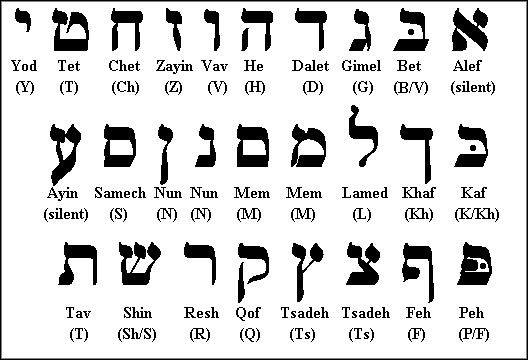
About Hebrew language
See more about Hebrew language in here.
Hebrew (עִבְרִית, About this soundIvrit (help·info), IPA: [ivˈʁit] or [ʕivˈɾit]) is a Northwest Semitic language of the Afroasiatic language family. Historically, it is regarded as the language of the Israelites, Judeans and their ancestors. It is the only Canaanite language still spoken and the only truly successful example of a revived dead language, and one of only two Northwest Semitic languages still spoken, the other being Aramaic.
The language was not referred to by the name Hebrew in the Hebrew Bible, but as Yehudit ("the language of Judah") or səpaṯ Kəna'an ("the language of Canaan").[note 1] Mishnah Gitin 9:8 refers to the language as Ivrit meaning Hebrew; however, Mishnah Megillah refers to the Hebrew language as Ashurit, meaning Assyrian, which is derived from the name of the alphabet used, in contrast to Ivrit meaning the paleo-Hebrew alphabet. The earliest examples of written Paleo-Hebrew date to the 10th century BCE..
Writing system in Hebrew
Hebrew alphabet, Hebrew Braille, Paleo-Hebrew alphabet (Archaic Biblical Hebrew), Imperial Aramaic script (Late Biblical Hebrew)
Hebrew Speaking Countries and Territories
Hebrew Speaking Countries and Territories: Israel.
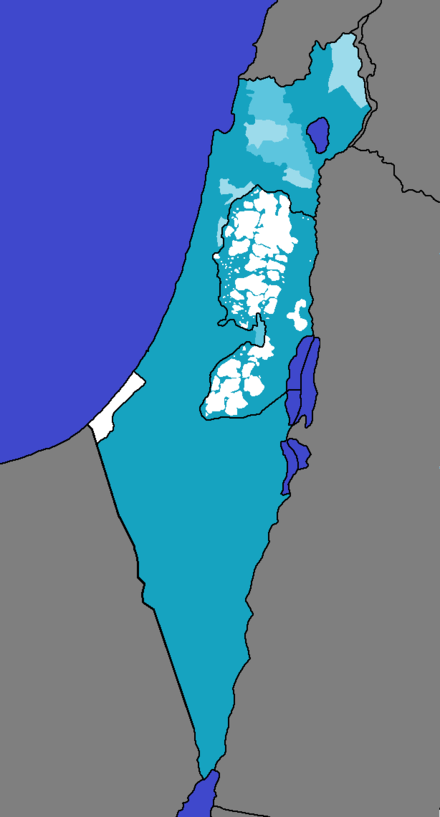
Hebrew native speakers
Hebrew native speakers: 9 million speakers of Modern Hebrew of which 5 million are native speakers (2017).
Hebrew language code
Hebrew language code is: he.
Conclusion on seagreen in Hebrew
Now that you have learned and understood the common ways of saying seagreen in Hebrew is "צהוב-ירוק color", it's time to learn how to say seagreen in Hebrew. This will hopefully give you a little motivation to study Hebrew today.
צהוב-ירוק color in Hebrew meanings seagreen in English.