
alternates in Hebrew
Do you know alternates in Hebrew? How to use alternates in Hebrew and how to say alternates in Hebrew? How to write alternates in Hebrew? Now let's learn how to say alternates in Hebrew language.
alternates translate to Hebrew meanings: מתחלף.
In other words, מתחלף in Hebrew is alternates in English.Click to pronunce
| English | Hebrew |

|
|
| alternates | מתחלף |
How to use alternates in Hebrew?
Meaning of alternates in Hebrew language is: מתחלף.
Other words in Hebrew
alias, aggrieved, anoraks, Andreas, abnegation,
Read more Synonyms and Antonyms of alternates
Why we should learn Hebrew language?
There are many, many reasons why learning a new language is a good idea. It allows you to communicate with new people. It helps you to see things from a different perspective, or get a deeper understanding of another culture. It helps you to become a better listener. It even has health benefits, as studies have shown that people who speak two or more languages have more active minds later in life!
7 reasons to learn a Hebrew language
- Makes you smarter.
- Boosts academic achievement.
- Provides professional and career advantages.
- Provides broader access to education and information.
- Gives you more social and global skills.
- Increases national security.
- Life is more interesting.
How to say alternates in Hebrew?
מתחלף. This is your most common way to say alternates in מתחלף language. Click audio icon to pronounce alternates in Hebrew::
| English | Hebrew |
|
|
|
| alternates | מתחלף |
How to write alternates in Hebrew?
The standard way to write "alternates" in Hebrew is: מתחלף
Alphabet in Hebrew
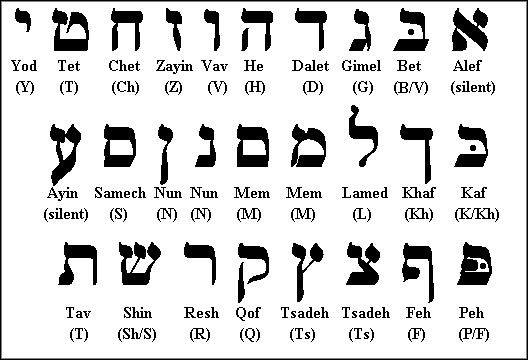
About Hebrew language
See more about Hebrew language in here.
Hebrew (עִבְרִית, About this soundIvrit (help·info), IPA: [ivˈʁit] or [ʕivˈɾit]) is a Northwest Semitic language of the Afroasiatic language family. Historically, it is regarded as the language of the Israelites, Judeans and their ancestors. It is the only Canaanite language still spoken and the only truly successful example of a revived dead language, and one of only two Northwest Semitic languages still spoken, the other being Aramaic.
The language was not referred to by the name Hebrew in the Hebrew Bible, but as Yehudit ("the language of Judah") or səpaṯ Kəna'an ("the language of Canaan").[note 1] Mishnah Gitin 9:8 refers to the language as Ivrit meaning Hebrew; however, Mishnah Megillah refers to the Hebrew language as Ashurit, meaning Assyrian, which is derived from the name of the alphabet used, in contrast to Ivrit meaning the paleo-Hebrew alphabet. The earliest examples of written Paleo-Hebrew date to the 10th century BCE..
Writing system in Hebrew
Hebrew alphabet, Hebrew Braille, Paleo-Hebrew alphabet (Archaic Biblical Hebrew), Imperial Aramaic script (Late Biblical Hebrew)
Hebrew Speaking Countries and Territories
Hebrew Speaking Countries and Territories: Israel.
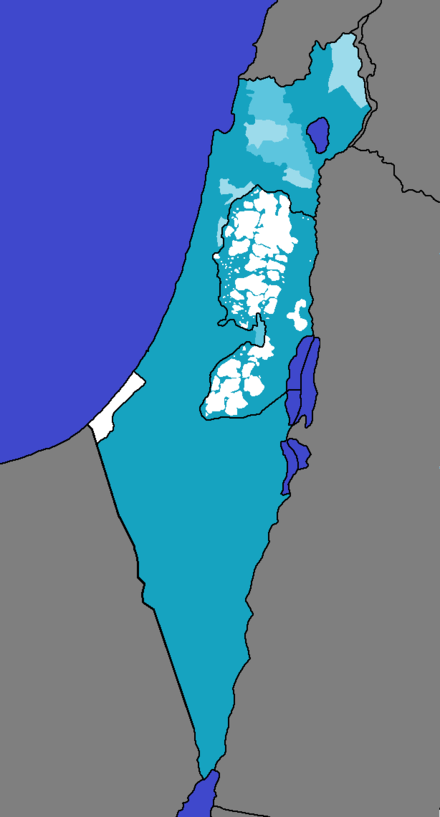
Hebrew native speakers
Hebrew native speakers: 9 million speakers of Modern Hebrew of which 5 million are native speakers (2017).
Hebrew language code
Hebrew language code is: he.
Conclusion on alternates in Hebrew
Now that you have learned and understood the common ways of saying alternates in Hebrew is "מתחלף", it's time to learn how to say alternates in Hebrew. This will hopefully give you a little motivation to study Hebrew today.
מתחלף in Hebrew meanings alternates in English.