
hub in Esperanto
Do you know hub in Esperanto? How to use hub in Esperanto and how to say hub in Esperanto? How to write hub in Esperanto? Now let's learn how to say hub in Esperanto language.
hub translate to Esperanto meanings: nabo.
In other words, nabo in Esperanto is hub in English.Click to pronunce
| English | Esperanto |

|
|
| hub | nabo |
How to use hub in Esperanto?
Meaning of hub in Esperanto language is: nabo.
Other words in Esperanto
hummingbird, hygroscopic, Habsburg, highroad, Halloa,
Read more Synonyms and Antonyms of hub
Why we should learn Esperanto language?
There are many, many reasons why learning a new language is a good idea. It allows you to communicate with new people. It helps you to see things from a different perspective, or get a deeper understanding of another culture. It helps you to become a better listener. It even has health benefits, as studies have shown that people who speak two or more languages have more active minds later in life!
7 reasons to learn a Esperanto language
- Makes you smarter.
- Boosts academic achievement.
- Provides professional and career advantages.
- Provides broader access to education and information.
- Gives you more social and global skills.
- Increases national security.
- Life is more interesting.
How to say hub in Esperanto?
nabo. This is your most common way to say hub in nabo language. Click audio icon to pronounce hub in Esperanto::
| English | Esperanto |
|
|
|
| hub | nabo |
How to write hub in Esperanto?
The standard way to write "hub" in Esperanto is: nabo
Alphabet in Esperanto

About Esperanto language
See more about Esperanto language in here.
Esperanto (/ˌɛspəˈrɑːntoʊ/ or /ˌɛspəˈræntoʊ/) is the world's most widely spoken constructed international auxiliary language. It is the only such language with a population of native speakers, of which there are perhaps several thousand. Usage estimates are difficult, but two recent estimates put the number of active speakers at around 100,000. Concentration of speakers is highest in Europe, East Asia and South America. The Universal Esperanto Association has more than 5,500 members in 120 countries. The language has also gained a noticeable presence on the internet in recent years[when?], as it became increasingly accessible on platforms such as Duolingo.
Esperanto was created by Polish ophthalmologist L. L. Zamenhof in 1887. It was intended to be a universal second language for international communication. Zamenhof first described the language in Dr. Esperanto's International Language, which he published in five languages under the pseudonym "Doktoro Esperanto". Zamenhof claimed that the grammar of the language could be learned in one hour, though this estimate assumed a learner with a background in European languages. The word esperanto translates into English as "one who hopes"; Esperanto speakers are often called "Esperantists" (Esperantistoj)..
Writing system in Esperanto
Latin script (Esperanto alphabet), Esperanto Braille
Esperanto Speaking Countries and Territories
Esperanto Speaking Countries and Territories: International: most parts of the world.
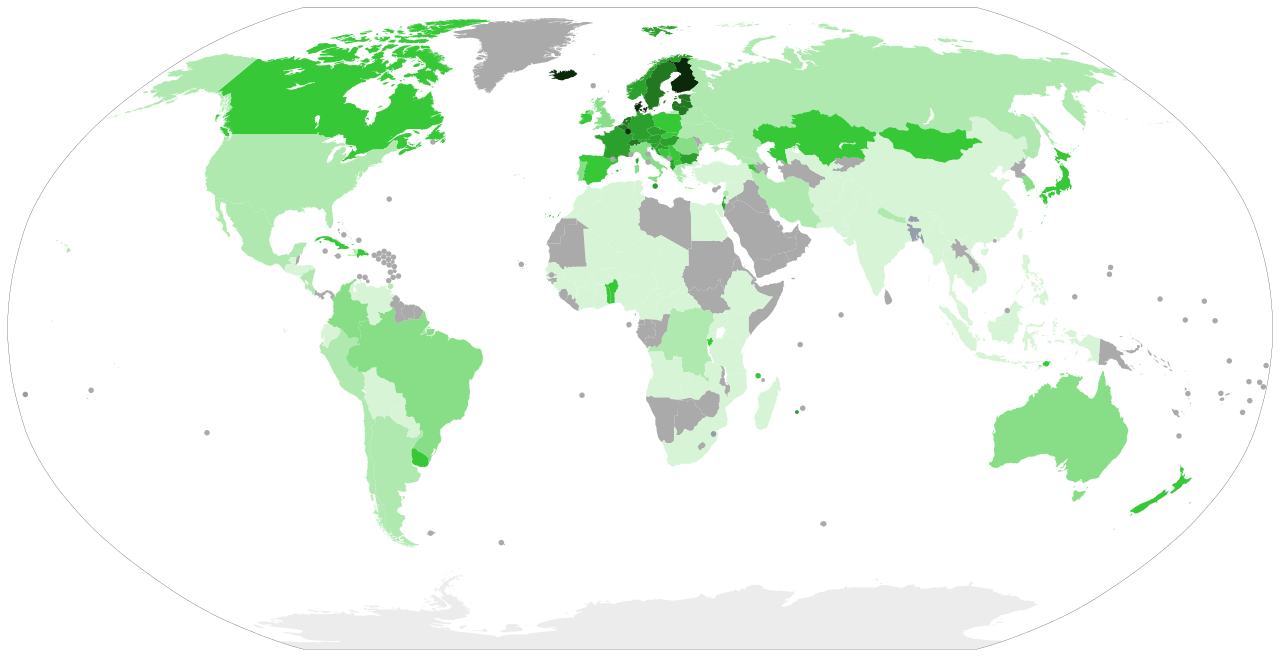
Esperanto native speakers
Esperanto native speakers: approximately one thousand or more (2011).
Esperanto language code
Esperanto language code is: eo.
Conclusion on hub in Esperanto
Now that you have learned and understood the common ways of saying hub in Esperanto is "nabo", it's time to learn how to say hub in Esperanto. This will hopefully give you a little motivation to study Esperanto today.
nabo in Esperanto meanings hub in English.