
friendliest in Esperanto
Do you know friendliest in Esperanto? How to use friendliest in Esperanto and how to say friendliest in Esperanto? How to write friendliest in Esperanto? Now let's learn how to say friendliest in Esperanto language.
friendliest translate to Esperanto meanings: amika.
In other words, amika in Esperanto is friendliest in English.Click to pronunce
| English | Esperanto |

|
|
| friendliest | amika |
How to use friendliest in Esperanto?
Meaning of friendliest in Esperanto language is: amika.
Other words in Esperanto
flips, floaters, fulfilled, feelingly, furlough,
Read more Synonyms and Antonyms of friendliest
Why we should learn Esperanto language?
There are many, many reasons why learning a new language is a good idea. It allows you to communicate with new people. It helps you to see things from a different perspective, or get a deeper understanding of another culture. It helps you to become a better listener. It even has health benefits, as studies have shown that people who speak two or more languages have more active minds later in life!
7 reasons to learn a Esperanto language
- Makes you smarter.
- Boosts academic achievement.
- Provides professional and career advantages.
- Provides broader access to education and information.
- Gives you more social and global skills.
- Increases national security.
- Life is more interesting.
How to say friendliest in Esperanto?
amika. This is your most common way to say friendliest in amika language. Click audio icon to pronounce friendliest in Esperanto::
| English | Esperanto |
|
|
|
| friendliest | amika |
How to write friendliest in Esperanto?
The standard way to write "friendliest" in Esperanto is: amika
Alphabet in Esperanto

About Esperanto language
See more about Esperanto language in here.
Esperanto (/ˌɛspəˈrɑːntoʊ/ or /ˌɛspəˈræntoʊ/) is the world's most widely spoken constructed international auxiliary language. It is the only such language with a population of native speakers, of which there are perhaps several thousand. Usage estimates are difficult, but two recent estimates put the number of active speakers at around 100,000. Concentration of speakers is highest in Europe, East Asia and South America. The Universal Esperanto Association has more than 5,500 members in 120 countries. The language has also gained a noticeable presence on the internet in recent years[when?], as it became increasingly accessible on platforms such as Duolingo.
Esperanto was created by Polish ophthalmologist L. L. Zamenhof in 1887. It was intended to be a universal second language for international communication. Zamenhof first described the language in Dr. Esperanto's International Language, which he published in five languages under the pseudonym "Doktoro Esperanto". Zamenhof claimed that the grammar of the language could be learned in one hour, though this estimate assumed a learner with a background in European languages. The word esperanto translates into English as "one who hopes"; Esperanto speakers are often called "Esperantists" (Esperantistoj)..
Writing system in Esperanto
Latin script (Esperanto alphabet), Esperanto Braille
Esperanto Speaking Countries and Territories
Esperanto Speaking Countries and Territories: International: most parts of the world.
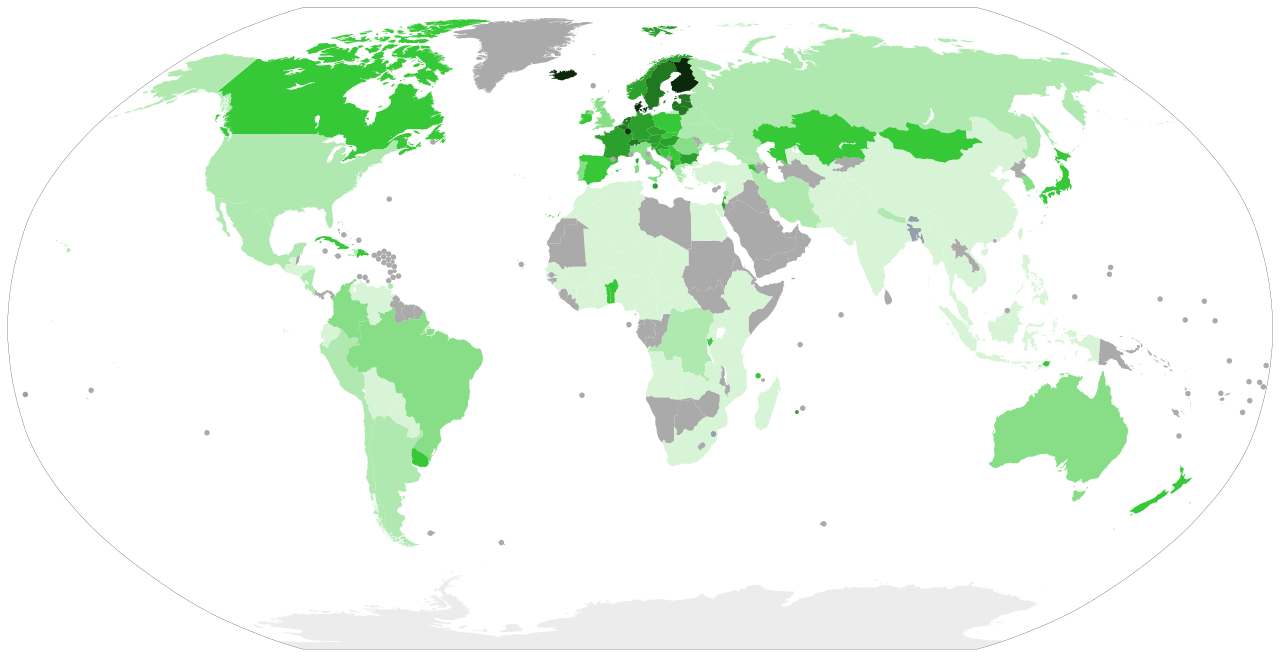
Esperanto native speakers
Esperanto native speakers: approximately one thousand or more (2011).
Esperanto language code
Esperanto language code is: eo.
Conclusion on friendliest in Esperanto
Now that you have learned and understood the common ways of saying friendliest in Esperanto is "amika", it's time to learn how to say friendliest in Esperanto. This will hopefully give you a little motivation to study Esperanto today.
amika in Esperanto meanings friendliest in English.