
moral in Korean
Do you know moral in Korean? How to use moral in Korean and how to say moral in Korean? How to write moral in Korean? Now let's learn how to say moral in Korean language.
moral translate to Korean meanings: moral [adj.]
<한정 용법> (법률관습 등이 아니라) 도의상의
moral [n.]
<∼s> <보통 단수 취급> (학과의)도덕, 윤리(학)(ethics)
moral [adj.]
<문학 작품 등이> 도덕적인, 교훈적인(didactic)
moral [adj.]
관찰 결과로 유추한, 심증에 의한; 공산이 큰, 있을 수 있는
moral [adj.]
사람의 도리에서 벗어나지 않는, 도덕적인; 정숙한, 품행이 방정한
moral [adj.]
정신적인(spiritual)
moral [n.]
<∼s> (사회의) 도덕, (개인의) 행실, (남녀간의) 품행
moral [adj.]
<한정 용법> 도덕(상)의, 도덕에 관한; 선악의 판단에 관한; 도덕률의, 윤리상의(ethical)
moral [n.]
(어떤 사물의) 구현(embodiment); 전형(type)
moral [n.]
(이야기경험 등의) 우의(寓意), 교훈(good lesson)
moral [n.]
<보통 the (very) ∼> <古> 꼭 닮은 것(counterpart)
moral [adj.]
<한정 용법> (선악의 구별 등) 도덕적 판단을 할 수 있는
.In other words,
moral [adj.]
<한정 용법> (법률관습 등이 아니라) 도의상의
moral [n.]
<∼s> <보통 단수 취급> (학과의)도덕, 윤리(학)(ethics)
moral [adj.]
<문학 작품 등이> 도덕적인, 교훈적인(didactic)
moral [adj.]
관찰 결과로 유추한, 심증에 의한; 공산이 큰, 있을 수 있는
moral [adj.]
사람의 도리에서 벗어나지 않는, 도덕적인; 정숙한, 품행이 방정한
moral [adj.]
정신적인(spiritual)
moral [n.]
<∼s> (사회의) 도덕, (개인의) 행실, (남녀간의) 품행
moral [adj.]
<한정 용법> 도덕(상)의, 도덕에 관한; 선악의 판단에 관한; 도덕률의, 윤리상의(ethical)
moral [n.]
(어떤 사물의) 구현(embodiment); 전형(type)
moral [n.]
(이야기경험 등의) 우의(寓意), 교훈(good lesson)
moral [n.]
<보통 the (very) ∼> <古> 꼭 닮은 것(counterpart)
moral [adj.]
<한정 용법> (선악의 구별 등) 도덕적 판단을 할 수 있는
in Korean is moral in English.Click to pronunce| English | Korean |

|
|
| moral | moral |
How to use moral in Korean?
Meaning of moral in Korean language is: moral [adj.]
<한정 용법> (법률관습 등이 아니라) 도의상의
moral [n.]
<∼s> <보통 단수 취급> (학과의)도덕, 윤리(학)(ethics)
moral [adj.]
<문학 작품 등이> 도덕적인, 교훈적인(didactic)
moral [adj.]
관찰 결과로 유추한, 심증에 의한; 공산이 큰, 있을 수 있는
moral [adj.]
사람의 도리에서 벗어나지 않는, 도덕적인; 정숙한, 품행이 방정한
moral [adj.]
정신적인(spiritual)
moral [n.]
<∼s> (사회의) 도덕, (개인의) 행실, (남녀간의) 품행
moral [adj.]
<한정 용법> 도덕(상)의, 도덕에 관한; 선악의 판단에 관한; 도덕률의, 윤리상의(ethical)
moral [n.]
(어떤 사물의) 구현(embodiment); 전형(type)
moral [n.]
(이야기경험 등의) 우의(寓意), 교훈(good lesson)
moral [n.]
<보통 the (very) ∼> <古> 꼭 닮은 것(counterpart)
moral [adj.]
<한정 용법> (선악의 구별 등) 도덕적 판단을 할 수 있는
.Other words in Korean
moralphilosophy [n.]
도덕 철학, 윤리학
.moralityplay [n.]
(14-16세기에 유행한) 도덕극
.moralrearmament [n.]
도덕 재무장 (운동)
.moral [adj.]
<한정 용법> (법률관습 등이 아니라) 도의상의
moral [n.]
<∼s> <보통 단수 취급> (학과의)도덕, 윤리(학)(ethics)
moral [adj.]
<문학 작품 등이> 도덕적인, 교훈적인(didactic)
moral [adj.]
관찰 결과로 유추한, 심증에 의한; 공산이 큰, 있을 수 있는
moral [adj.]
사람의 도리에서 벗어나지 않는, 도덕적인; 정숙한, 품행이 방정한
moral [adj.]
정신적인(spiritual)
moral [n.]
<∼s> (사회의) 도덕, (개인의) 행실, (남녀간의) 품행
moral [adj.]
<한정 용법> 도덕(상)의, 도덕에 관한; 선악의 판단에 관한; 도덕률의, 윤리상의(ethical)
moral [n.]
(어떤 사물의) 구현(embodiment); 전형(type)
moral [n.]
(이야기경험 등의) 우의(寓意), 교훈(good lesson)
moral [n.]
<보통 the (very) ∼> <古> 꼭 닮은 것(counterpart)
moral [adj.]
<한정 용법> (선악의 구별 등) 도덕적 판단을 할 수 있는
.demoralize [v.t.]
<사람병사의> 용기를 꺾다, …을 의기 소침하게 하다
demoralize [v.t.]
<古> 풍기를 문란하게 하다; 타락시키다
demoralize [v.t.]
<남을> 당황하게 하다, 곤혹하게 하다; <질서기능움직임을> 혼란[마비]시키다
.morallaw [n.]
도덕률
.moralism [n.]
(종교와 구별되는) 도덕주의; 도덕적 실천
moralism [n.]
훈계하는[교훈을 주는] 버릇, 설법
.morally [adv.]
도덕적으로, 바르게; 도덕적 관점에서, 도덕적인 의미로; 정결[정숙]하게(virtuously)
morally [adv.]
실제로, 사실상(virtually)
.nonmoral [adj.]
도덕[윤리]과 관계없는, 도덕적도 부도덕적도 아닌. cf. IMMORAL, UNMORAL
.moraltheology [n.]
윤리 신학
.metroland, marcasite, moneychanger, magneticfield, misunderstanding,
Read more Synonyms and Antonyms of moral
Why we should learn Korean language?
There are many, many reasons why learning a new language is a good idea. It allows you to communicate with new people. It helps you to see things from a different perspective, or get a deeper understanding of another culture. It helps you to become a better listener. It even has health benefits, as studies have shown that people who speak two or more languages have more active minds later in life!
7 reasons to learn a Korean language
- Makes you smarter.
- Boosts academic achievement.
- Provides professional and career advantages.
- Provides broader access to education and information.
- Gives you more social and global skills.
- Increases national security.
- Life is more interesting.
How to say moral in Korean?
moral [adj.]
<한정 용법> (법률관습 등이 아니라) 도의상의
moral [n.]
<∼s> <보통 단수 취급> (학과의)도덕, 윤리(학)(ethics)
moral [adj.]
<문학 작품 등이> 도덕적인, 교훈적인(didactic)
moral [adj.]
관찰 결과로 유추한, 심증에 의한; 공산이 큰, 있을 수 있는
moral [adj.]
사람의 도리에서 벗어나지 않는, 도덕적인; 정숙한, 품행이 방정한
moral [adj.]
정신적인(spiritual)
moral [n.]
<∼s> (사회의) 도덕, (개인의) 행실, (남녀간의) 품행
moral [adj.]
<한정 용법> 도덕(상)의, 도덕에 관한; 선악의 판단에 관한; 도덕률의, 윤리상의(ethical)
moral [n.]
(어떤 사물의) 구현(embodiment); 전형(type)
moral [n.]
(이야기경험 등의) 우의(寓意), 교훈(good lesson)
moral [n.]
<보통 the (very) ∼> <古> 꼭 닮은 것(counterpart)
moral [adj.]
<한정 용법> (선악의 구별 등) 도덕적 판단을 할 수 있는
. This is your most common way to say moral inmoral [adj.]
<한정 용법> (법률관습 등이 아니라) 도의상의
moral [n.]
<∼s> <보통 단수 취급> (학과의)도덕, 윤리(학)(ethics)
moral [adj.]
<문학 작품 등이> 도덕적인, 교훈적인(didactic)
moral [adj.]
관찰 결과로 유추한, 심증에 의한; 공산이 큰, 있을 수 있는
moral [adj.]
사람의 도리에서 벗어나지 않는, 도덕적인; 정숙한, 품행이 방정한
moral [adj.]
정신적인(spiritual)
moral [n.]
<∼s> (사회의) 도덕, (개인의) 행실, (남녀간의) 품행
moral [adj.]
<한정 용법> 도덕(상)의, 도덕에 관한; 선악의 판단에 관한; 도덕률의, 윤리상의(ethical)
moral [n.]
(어떤 사물의) 구현(embodiment); 전형(type)
moral [n.]
(이야기경험 등의) 우의(寓意), 교훈(good lesson)
moral [n.]
<보통 the (very) ∼> <古> 꼭 닮은 것(counterpart)
moral [adj.]
<한정 용법> (선악의 구별 등) 도덕적 판단을 할 수 있는
language. Click audio icon to pronounce moral in Korean::| English | Korean |
|
|
|
| moral | moral [adj.]<한정 용법> (법률관습 등이 아니라) 도의상의 moral [n.]<∼s> <보통 단수 취급> (학과의)도덕, 윤리(학)(ethics) moral [adj.]<문학 작품 등이> 도덕적인, 교훈적인(didactic) moral [adj.]관찰 결과로 유추한, 심증에 의한; 공산이 큰, 있을 수 있는 moral [adj.]사람의 도리에서 벗어나지 않는, 도덕적인; 정숙한, 품행이 방정한 moral [adj.]정신적인(spiritual) moral [n.]<∼s> (사회의) 도덕, (개인의) 행실, (남녀간의) 품행 moral [adj.]<한정 용법> 도덕(상)의, 도덕에 관한; 선악의 판단에 관한; 도덕률의, 윤리상의(ethical) moral [n.](어떤 사물의) 구현(embodiment); 전형(type) moral [n.](이야기경험 등의) 우의(寓意), 교훈(good lesson) moral [n.]<보통 the (very) ∼> <古> 꼭 닮은 것(counterpart) moral [adj.]<한정 용법> (선악의 구별 등) 도덕적 판단을 할 수 있는 |
How to write moral in Korean?
The standard way to write "moral" in Korean is: moral [adj.]
<한정 용법> (법률관습 등이 아니라) 도의상의
moral [n.]
<∼s> <보통 단수 취급> (학과의)도덕, 윤리(학)(ethics)
moral [adj.]
<문학 작품 등이> 도덕적인, 교훈적인(didactic)
moral [adj.]
관찰 결과로 유추한, 심증에 의한; 공산이 큰, 있을 수 있는
moral [adj.]
사람의 도리에서 벗어나지 않는, 도덕적인; 정숙한, 품행이 방정한
moral [adj.]
정신적인(spiritual)
moral [n.]
<∼s> (사회의) 도덕, (개인의) 행실, (남녀간의) 품행
moral [adj.]
<한정 용법> 도덕(상)의, 도덕에 관한; 선악의 판단에 관한; 도덕률의, 윤리상의(ethical)
moral [n.]
(어떤 사물의) 구현(embodiment); 전형(type)
moral [n.]
(이야기경험 등의) 우의(寓意), 교훈(good lesson)
moral [n.]
<보통 the (very) ∼> <古> 꼭 닮은 것(counterpart)
moral [adj.]
<한정 용법> (선악의 구별 등) 도덕적 판단을 할 수 있는
Alphabet in Korean

About Korean language
See more about Korean language in here.
Korean (South Korean: 한국어, hangugeo; North Korean: 조선말, chosŏnmal) is the native language for about 80 million people, mostly of Korean descent.[a] It is the official and national language of both North Korea and South Korea (geographically Korea). The two countries have established standardized norms for Korean, and the differences between them are similar to those between Standard Chinese in mainland China and Taiwan, but political conflicts between the two countries have highlighted the differences between them. North Korea criminalizes the use of the South's standard language, and South Korean education and media often portray the North's language as alien and uncomfortable.
Beyond Korea, the language is recognised as a minority language in parts of China, namely Jilin Province, and specifically Yanbian Prefecture, and Changbai County. It is also spoken by Sakhalin Koreans in parts of Sakhalin, the Russian island just north of Japan, and by the Koryo-saram in parts of Central Asia. The language has a few extinct relatives which—along with the Jeju language (Jejuan) of Jeju Island and Korean itself—form the compact Koreanic language family. Even so, Jejuan and Korean are not mutually intelligible with each other. The linguistic homeland of Korean is suggested to be somewhere in contemporary Manchuria. The hierarchy of the society from which the language originates deeply influences the language, leading to a system of speech levels and honorifics indicative of the formality of any given situation.
Modern Korean is written in the Korean script (한글; Hangul in South Korea, 조선글; Chosŏn'gŭl in North Korea), a system developed during the 15th century for that purpose, although it did not become the primary script until the 20th century. The script uses 24 basic letters (jamo) and 27 complex letters formed from the basic ones. When first recorded in historical texts, Korean was only a spoken language; all written records were maintained in Classical Chinese, which, even when spoken, is not intelligible to someone who speaks only Korean. Later, Chinese characters adapted to the Korean language, Hanja (漢字), were used to write the language for most of Korea's history and are still used to a limited extent in South Korea, most prominently in the humanities and the study of historical texts.
Since the turn of the 21st century, aspects of Korean culture have spread to other countries through globalization and cultural exports. As such, interest in Korean language acquisition (as a foreign language) is also generated by longstanding alliances, military involvement, and diplomacy, such as between South Korea–United States and China–North Korea since the end of World War II and the Korean War. Along with other languages such as Chinese and Arabic, Korean is ranked at the top difficulty level for English speakers by the United States Department of Defense.
.Writing system in Korean
Hangul / Chosŏn'gŭl (Korean script), Hanja / Hancha (Historical)
Korean Speaking Countries and Territories
Korean Speaking Countries and Territories: Korean (South Korea, North Korea).
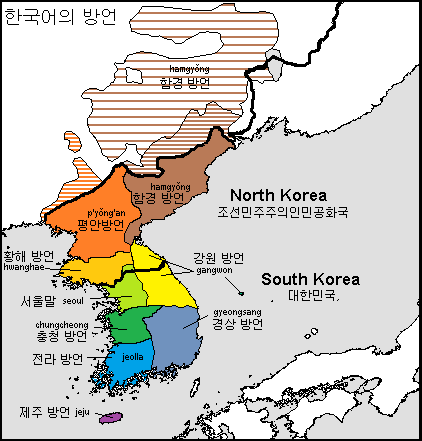
Korean native speakers
Korean native speakers: 80.4 million (2020).
Korean language code
Korean language code is: ko.
Conclusion on moral in Korean
Now that you have learned and understood the common ways of saying moral in Korean is "
moral [adj.]
<한정 용법> (법률관습 등이 아니라) 도의상의
moral [n.]
<∼s> <보통 단수 취급> (학과의)도덕, 윤리(학)(ethics)
moral [adj.]
<문학 작품 등이> 도덕적인, 교훈적인(didactic)
moral [adj.]
관찰 결과로 유추한, 심증에 의한; 공산이 큰, 있을 수 있는
moral [adj.]
사람의 도리에서 벗어나지 않는, 도덕적인; 정숙한, 품행이 방정한
moral [adj.]
정신적인(spiritual)
moral [n.]
<∼s> (사회의) 도덕, (개인의) 행실, (남녀간의) 품행
moral [adj.]
<한정 용법> 도덕(상)의, 도덕에 관한; 선악의 판단에 관한; 도덕률의, 윤리상의(ethical)
moral [n.]
(어떤 사물의) 구현(embodiment); 전형(type)
moral [n.]
(이야기경험 등의) 우의(寓意), 교훈(good lesson)
moral [n.]
<보통 the (very) ∼> <古> 꼭 닮은 것(counterpart)
moral [adj.]
<한정 용법> (선악의 구별 등) 도덕적 판단을 할 수 있는
", it's time to learn how to say moral in Korean. This will hopefully give you a little motivation to study Korean today.<한정 용법> (법률관습 등이 아니라) 도의상의 <∼s> <보통 단수 취급> (학과의)도덕, 윤리(학)(ethics) <문학 작품 등이> 도덕적인, 교훈적인(didactic) 관찰 결과로 유추한, 심증에 의한; 공산이 큰, 있을 수 있는 사람의 도리에서 벗어나지 않는, 도덕적인; 정숙한, 품행이 방정한 정신적인(spiritual) <∼s> (사회의) 도덕, (개인의) 행실, (남녀간의) 품행 <한정 용법> 도덕(상)의, 도덕에 관한; 선악의 판단에 관한; 도덕률의, 윤리상의(ethical) (어떤 사물의) 구현(embodiment); 전형(type) (이야기경험 등의) 우의(寓意), 교훈(good lesson) <보통 the (very) ∼> <古> 꼭 닮은 것(counterpart) <한정 용법> (선악의 구별 등) 도덕적 판단을 할 수 있는moral [adj.]
moral [n.]
moral [adj.]
moral [adj.]
moral [adj.]
moral [adj.]
moral [n.]
moral [adj.]
moral [n.]
moral [n.]
moral [n.]
moral [adj.]